
Crypto to Debit Card Guide | Convert Crypto to Spendable Cash Worldwide

Discover everything about crypto to debit card: features, benefits, best providers, and expert comparisons. Updated by Nexa Cards Solutions, Ltd.
1. Overview
The year marks a major leap forward in how people use cryptocurrency for everyday payments. The evolution of crypto to debit card solutions has transformed how crypto holders spend Bitcoin, Ethereum, and stablecoins — turning digital assets into practical, spendable money.
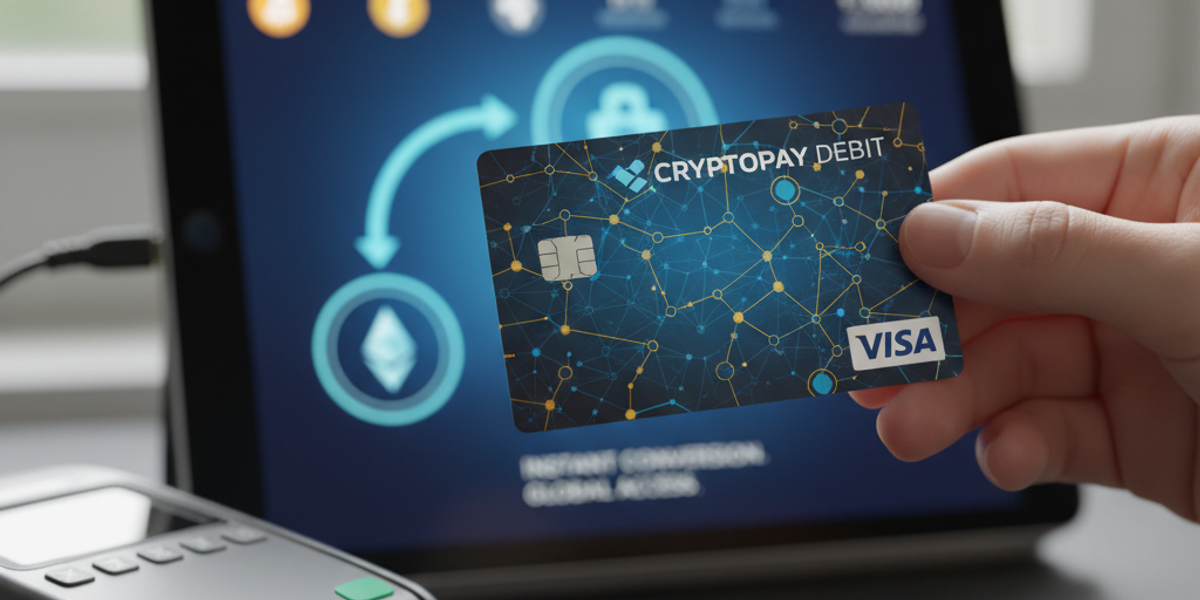
A crypto to debit card bridges the gap between your digital wallet and the traditional financial system. It allows you to instantly convert your crypto into fiat currencies (USD, EUR, GBP, INR, etc.) and make purchases at any store that accepts Visa or Mastercard.
Whether you’re a seasoned investor or a crypto newbie, understanding how these cards work—and which ones to choose—is essential. This guide explores the best crypto to debit cards in, how they function, their benefits, fees, and key considerations before getting one.
2. Key Features
Modern crypto debit cards have evolved into sophisticated financial tools offering seamless transactions, robust security, and attractive rewards. Let’s explore the key features driving their popularity..
Instant Conversion
Your crypto is automatically converted into fiat currency during a transaction. This eliminates the need for manual trading or cashing out through an exchange.
Multi-Currency Support
Top cards now support multiple cryptocurrencies including Bitcoin (BTC), Ethereum (ETH), USDT, Solana (SOL), and BNB — making it easier to manage your digital assets globally.
Integration with Wallets
Most leading providers sync with the Best crypto wallet apps, letting you manage balances, track spending, and even stake tokens for rewards directly from your mobile app.
Rewards and Cashback
Crypto debit cards offer cashback in digital tokens (e.g., CRO, BNB, BTC), loyalty points, or partner discounts on streaming, travel, and e-commerce.
Virtual Card Options
Providers now include Virtual card for business users and freelancers, allowing them to spend crypto for subscriptions or international payments without waiting for a physical card.
Worldwide Accessibility
Accepted anywhere Visa or Mastercard operates—over 60 million merchants globally.
3. Pros & Cons
Like any financial product, using a crypto to debit card has both advantages and drawbacks.
Pros
- •Instant spending: Use your crypto anywhere, instantly converted to fiat.
- •Global usability: Spend seamlessly across countries and currencies.
- •Earn rewards: Cashback and staking bonuses in crypto tokens.
- •Flexible management: Easily load or unload funds from your wallet.
- •User-friendly apps: Most cards come with smart dashboards and transaction insights.
Cons
- •Volatility risk: Your crypto value may fluctuate before conversion.
- •Conversion fees: Some cards charge up to 2–3% for currency swaps.
- •Regulatory variations: Availability differs by country or region.
- •Custodial control: Some providers hold your funds in their wallet.
- •Limited support: Not all cryptocurrencies are accepted yet.
4. Top Providers
Here are the top crypto debit card providers to consider — ranked for reliability, features, and global reach.
1. Crypto.com Visa Card
- •Highlights: Up to 5% cashback, Spotify/Netflix reimbursements, premium tiers.
- •Supported Assets: 250+ cryptocurrencies.
- •Ideal For: Everyday crypto users seeking rewards and global acceptance.
- •Drawback: Requires staking CRO tokens for best perks.
2. Binance Visa Card
- •Highlights: 1–8% cashback in BNB, real-time conversion.
- •Supported Assets: BTC, ETH, BNB, USDT, BUSD, and more.
- •Ideal For: Binance ecosystem users.
- •Drawback: Available in select countries.
3. Coinbase Card
- •Highlights: Direct link to Coinbase wallet, spend in over 100 countries.
- •Supported Assets: 50+ cryptos.
- •Ideal For: Those already using Coinbase for trading or storage.
- •Drawback: Conversion fees apply per transaction.
4. BitPay Mastercard
- •Highlights: Widely accepted, excellent U.S. support, reload via crypto wallet.
- •Supported Assets: BTC, BCH, ETH, DOGE, USDC, and more.
- •Ideal For: U.S.-based users who want fiat flexibility.
- •Drawback: Not available outside the U.S.
5. Wirex Multi-Currency Card
- •Highlights: Multi-currency wallet (fiat + crypto), instant conversion, cashback in WXT.
- •Supported Assets: 20+ cryptocurrencies.
- •Ideal For: Frequent travelers and remote workers.
- •Drawback: Tiered benefits based on WXT staking.
5. How It Works
Understanding how a crypto to debit card operates helps users make smarter financial decisions.
Step 1: Sign Up
Register with your preferred provider and complete KYC verification (identity and address proof).
Step 2: Connect Your Wallet
Link your card to your crypto account or a Best crypto wallet like MetaMask, Trust Wallet, or Coinbase Wallet.
Step 3: Load Crypto
Deposit supported coins or tokens into your account.
Step 4: Spend Like Normal
When you make a purchase, your provider instantly converts the crypto into fiat based on the current market rate.
Step 5: Track & Earn
Use your app to track transactions, monitor cashback, and manage conversion preferences.
7. Security & Trust
When dealing with crypto payments, security should be your top concern.
Top Security Features
- •Two-Factor Authentication (2FA): Protects login and transaction approvals.
- •Cold Storage Custody: Funds stored offline to prevent hacks.
- •Encryption & Compliance: Regulated providers comply with KYC/AML laws.
- •Insurance Coverage: Some cards (like Coinbase and Binance) insure custodial crypto holdings.
- •Freeze Card Instantly: Most apps allow immediate card suspension in case of loss or theft.
Reputation & Regulation
Stick with globally recognized and licensed providers to ensure transparency and compliance. Avoid unregulated issuers promising unrealistic returns or anonymous usage.
Trust Signals
- •ISO-certified data security
- •Licensed under major jurisdictions (EU, U.S., Singapore)
- •Public company backing or institutional partners
8. FAQs
1. What is a crypto to debit card?
A crypto to debit card lets you spend cryptocurrency like regular money. It automatically converts your crypto into fiat currency (like USD or INR) at the point of purchase.
2. Do I need a bank account to use it?
No. You only need a verified crypto wallet or exchange account. However, linking a bank account may be required for cash withdrawals.
3. Are crypto debit cards legal ?
Yes, they are legal in most countries that allow cryptocurrency trading. However, availability depends on local financial regulations.
4. Can I use it for online subscriptions or business?
Absolutely. Many providers offer Virtual card for business or freelancers, letting you pay for SaaS tools, ads, and online services using crypto.
5. What are the best cards for beginners?
For simplicity, Crypto.com, Coinbase, and Wirex are ideal for beginners due to their easy setup, transparent fees, and mobile-friendly apps.
6. How do I choose the right card?
Compare supported cryptocurrencies, fees, cashback rates, and country support before deciding. Always ensure compatibility with your Best crypto wallet.
Conclusion
The line between crypto and traditional finance is thinner than ever. The crypto to debit card is no longer a novelty—it’s a mainstream tool empowering millions to use their digital wealth in the real world.
Whether you’re paying for groceries, booking travel, or managing your business expenses, these cards make it effortless to spend crypto instantly and securely.
To get started, explore leading providers like Crypto.com, Binance, and Wirex, compare their fees, and link your Best crypto wallet today.
The future of payments is decentralized, fast, and borderless—and crypto to debit cards are at the heart of it.