
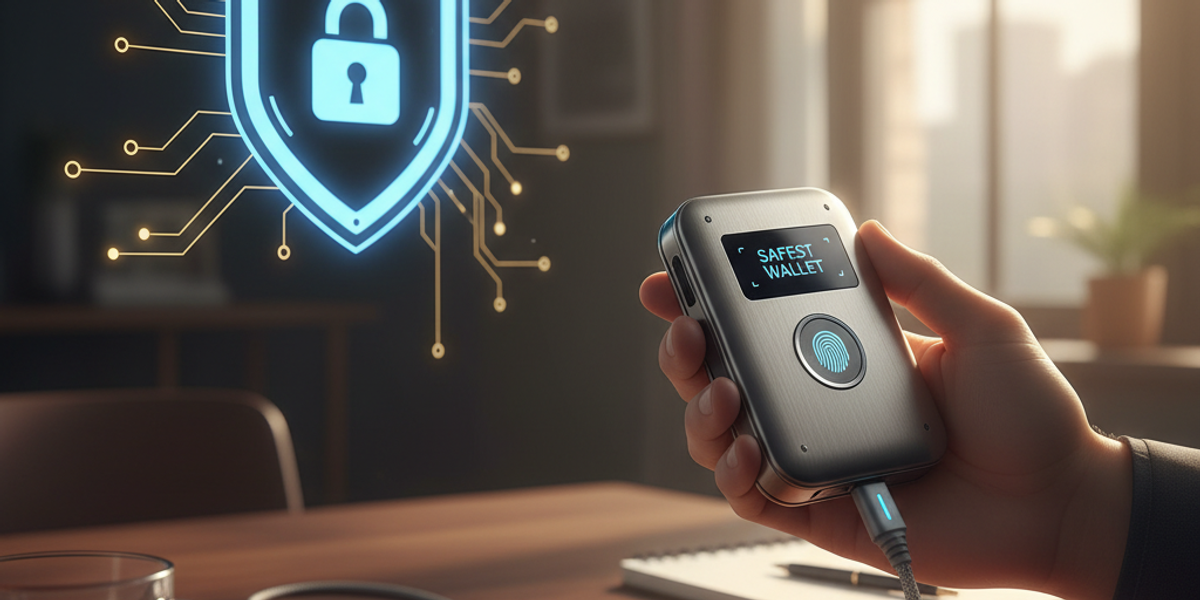
What Is the Safest Crypto Wallet? Discover Secure Options with NexaCards

What is the safest crypto wallet?”, is one every investor must ask before entering the market.
Introduction: Why Wallet Security Matters in the Digital Age
In the fast-paced world of cryptocurrency, protecting your digital assets is not optional — it’s essential. The question, “What is the safest crypto wallet?”, is one every investor must ask before entering the market.
Unlike traditional finance, cryptocurrencies are decentralized — there’s no bank to restore your funds if you lose access. Your wallet’s security, therefore, determines the safety of your investment. This guide breaks down everything you need to know about wallet security, the different wallet types, and how to choose the safest option for your needs.
What Exactly Is a Crypto Wallet?
A crypto wallet is a digital tool that manages your private and public keys. These cryptographic keys allow you to access, send, and receive cryptocurrencies securely on the blockchain.
It’s important to note that your crypto isn’t stored inside the wallet — it remains on the blockchain. The wallet simply gives you access to it through your private keys. Losing those keys means losing control of your crypto permanently.
Custodial vs. Non-Custodial Wallets
Before comparing wallet types, you must understand this critical distinction:
Custodial Wallets
Custodial wallets are managed by a third party — usually an exchange or service provider. They hold your private keys on your behalf.
- •Pros: Convenient, beginner-friendly, and often integrated with trading platforms.
- •Cons: You don’t truly control your funds. If the provider is hacked, shuts down, or freezes your account, your crypto could be at risk.
Non-Custodial Wallets
Non-custodial wallets give you full control of your private keys. No third party can access your funds or transactions.
- •Pros: Greater privacy, full ownership, and immunity from exchange failures.
- •Cons: You are solely responsible for backup and recovery — if you lose your seed phrase, your funds are irretrievable.
Rule of Thumb:
“Not your keys, not your coins.” Always prefer non-custodial wallets for maximum safety.
Types of Crypto Wallets and Their Security Levels
1. Hardware Wallets – The Safest Option for Long-Term Storage
Hardware wallets are physical devices that store your private keys offline. Examples include Ledger Nano X, Ledger Nano S Plus, Trezor Model T, and Trezor One.
Why They’re Safe:
- •Private keys are kept completely offline.
- •Immune to online hacking or malware.
- •Require physical confirmation to approve transactions.
- •Protected by PIN codes and recovery seed phrases.
Potential Drawbacks:
- •Costly compared to free software wallets.
- •Slightly less convenient for daily use.
- •Risk of physical loss (but recoverable via seed phrase).
Best For: Investors and holders who store large amounts of cryptocurrency for the long term.
2. Software Wallets – Secure, but Online
Software wallets are apps installed on your phone or computer that manage private keys digitally. Examples include Exodus, Electrum, Coinbase Wallet, and MetaMask.
Advantages:
- •Free and easy to use.
- •Great for everyday access and transactions.
- •Many support multiple cryptocurrencies.
Risks:
- •Vulnerable to malware, keyloggers, and phishing.
- •Susceptible if your device is hacked or compromised.
Best For: Active traders and users who need quick access to smaller amounts of crypto.
3. Web Wallets – Convenient but Riskier
Web wallets are browser-based or exchange-hosted wallets, such as those provided by Binance, Kraken, or Coinbase Exchange.
Advantages:
- •No installation required; accessible from anywhere.
- •Often integrated with exchange features.
Risks:
- •Usually custodial — you don’t control your keys.
- •Centralized servers can be hacked.
- •Dependent on third-party security practices.
Best For: Temporary storage or small balances for trading convenience.
4. Mobile Wallets – Secure Portability
Mobile wallets are apps designed for smartphones, such as Trust Wallet, Crypto.com Wallet, and Coinomi.
Advantages:
- •Portable and user-friendly.
- •Ideal for quick payments or in-person crypto transactions.
Risks:
- •Vulnerable to mobile malware and theft.
- •Dependent on your phone’s security measures.
Best For: Everyday spending and on-the-go use — not for large holdings.
5. Paper Wallets – Completely Offline but Outdated
A paper wallet involves printing your private and public keys on paper. It’s an entirely offline method, once considered highly secure.
Advantages:
- •Immune to online hacking.
- •Free and simple to generate.
Risks:
- •Easily damaged, lost, or destroyed.
- •Using them for transactions can expose keys online.
Best For: Advanced users who understand how to handle keys safely offline.
6. Brain Wallets – Theoretical but Dangerous
A brain wallet uses a memorized passphrase to generate your private key. While it sounds secure, it’s highly unsafe — most human-created phrases are predictable and easily cracked through brute-force attacks.
Choosing the Safest Crypto Wallet for Your Needs
There’s no single wallet that’s 100% safe for everyone — the right choice depends on your personal situation.
- •For long-term investors: Hardware wallets (Ledger, Trezor) are the safest choice.
- •For active traders: Software or mobile wallets offer convenience, but limit exposure.
- •For everyday users: Web or mobile wallets work fine for small amounts.
- •For mixed needs: Use a hybrid approach — cold storage for savings and a smaller hot wallet for daily use.
Essential Security Practices for Every Crypto Wallet
Regardless of which wallet you choose, your security habits are just as important:
- Protect Your Seed Phrase: Write it down on paper or metal and store it offline in multiple safe places. Never upload it to cloud storage or email.
- Use Strong Passwords: Create complex, unique passwords for all wallet accounts.
- Enable Two-Factor Authentication (2FA): Use hardware-based 2FA like YubiKey instead of SMS codes.
- Verify Official Sources: Download wallets only from official websites or verified app stores.
- Stay Updated: Keep your wallet, operating system, and antivirus software current.
- Avoid Public Wi-Fi: Never access wallets over unsecured networks.
- Double-Check Wallet Addresses: Always confirm recipient addresses before sending — crypto transactions are irreversible.
- Stay Informed: Scams evolve constantly. Regularly learn about new security threats and countermeasures.
For a detailed breakdown of wallet protection steps, see our guide on Crypto Security Best Practices.
FAQ: Common Questions About Wallet Security
Q1: Are exchange wallets safe?
Exchange wallets are convenient but less secure since they’re custodial. They’re fine for short-term use, but for serious storage, use a non-custodial hardware wallet.
Q2: Can a hardware wallet be hacked?
It’s extremely difficult. Most “hacks” result from user mistakes like revealing the seed phrase or using counterfeit devices.
Q3: What’s the difference between a wallet and an exchange?
A wallet stores and manages your private keys. An exchange facilitates trading and often holds your crypto in custodial wallets.
Q4: Should I have multiple wallets?
Yes. Use one for long-term storage (hardware) and another for daily use (mobile or desktop). Diversifying reduces risk.
Q5: What happens if I lose my hardware wallet?
Your funds remain safe on the blockchain. You can restore access using your recovery phrase on a new device.
Conclusion: Your Crypto, Your Responsibility
Choosing the safest crypto wallet means finding the right balance between security and accessibility. For long-term protection, hardware wallets like Ledger and Trezor remain unmatched. For smaller balances or frequent use, trusted software or mobile wallets provide flexibility — but always follow strict security practices.
Ultimately, crypto security is a shared equation between technology and behavior. When you understand your tools, protect your keys, and stay informed, your digital wealth stays in your control — exactly where it belongs.